SMB Workflow Automation
Small teams achieving big things with AI
AI Process & Workflow Automation
SME
May 16, 2025

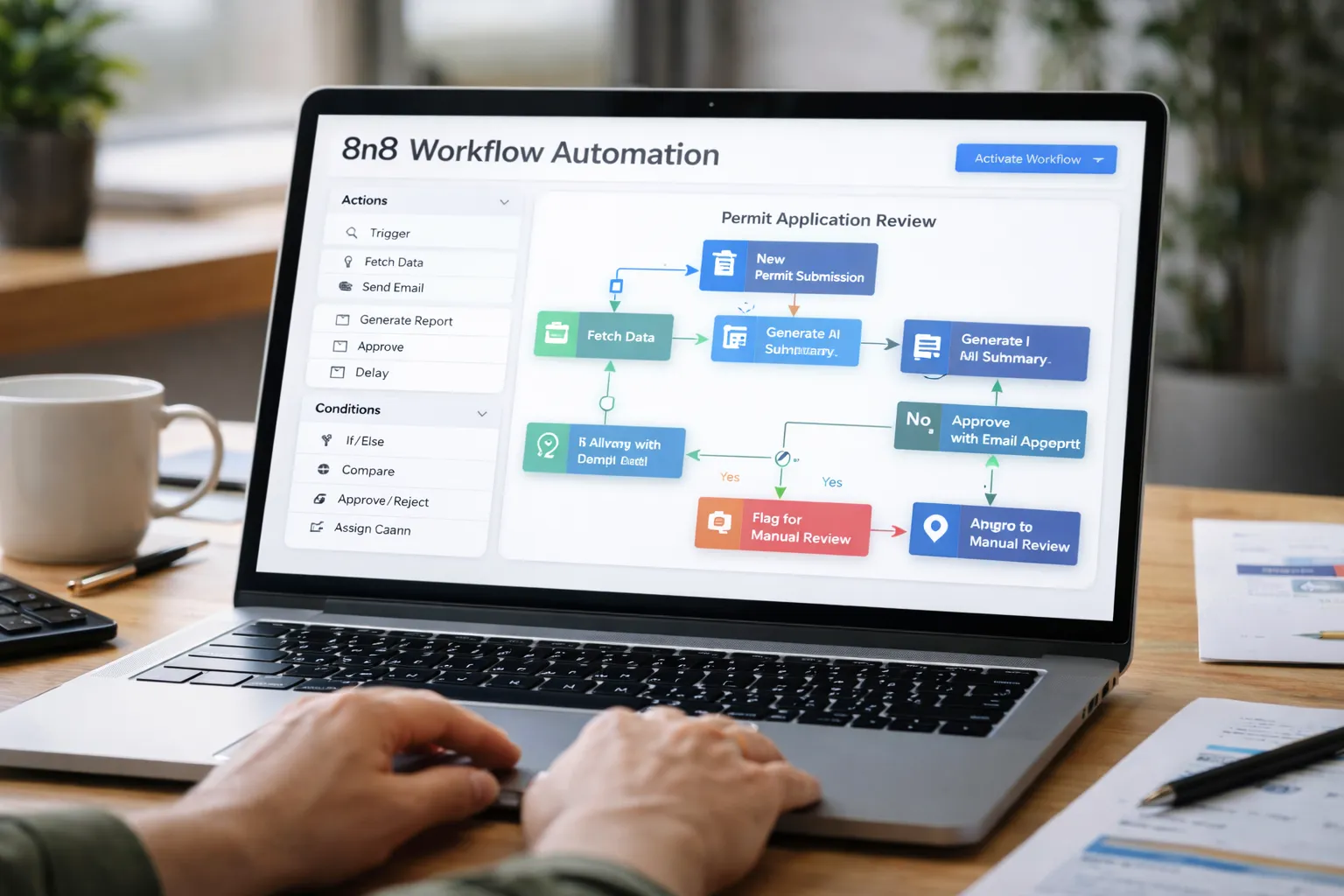
AI and automation — the key to levelling the playing
With the right tools and processes, even a small team can achieve efficiency, scale operations, and improve both staff and customer satisfaction
Challenge:
Many small-to-medium businesses operate with layers of manual workarounds that create inefficiencies across the organisation. In my experience, I’ve seen this play out everywhere — from lead generation and sales conversion, to HR onboarding, stock management, invoicing, accounts payable, and even customer service.
The common thread? Processes grew organically over time, but were never designed for efficiency. Stakeholders often created “Roblox-style workarounds” just to keep operations moving. The result was:
- Staff bogged down in repetitive admin
- Poor visibility of stock and financials
- Inefficient onboarding and workload management
- Inconsistent customer experiences
These inefficiencies compounded as businesses grew, creating stress, wasted resources, and lost opportunities.
Solution:
As a Business Analyst, my approach has always been to start with people, not tools. I’d engage stakeholders across departments to understand how processes really worked day-to-day, not just how they were written on paper. Together, we would identify pain points and roadblocks, then map out the desired “future state.”
From there, we would document functional and non-functional requirements — the practical “must-haves” and the qualities needed to make the system sustainable (e.g., usability, scalability, reporting).
For SMBs, low-cost and industry-specific digital tools often provide the highest ROI. I’ve seen integrated workflow, project, and financial management systems transform small teams. For example:
- Trades businesses benefit from software tailored to quoting, scheduling, and invoicing.
- Agencies thrive with tools that unify projects, resourcing, and billing.
- Even florists have niche software that integrates stock, sales, and delivery in one platform.
The key is aligning the solution to the business model and ensuring adoption through training and change management.
Impact and Benefits
When SMBs adopt workflow automation and integrated solutions, the impact is immediate and tangible:
- 30–40% reduction in time spent on admin tasks
- 20% decrease in operational costs through efficiency gains
- Faster invoicing and cash flow improvements
- Improved customer experience through consistency and responsiveness
- Staff freed to focus on higher-value, growth-driving activities
But the success isn’t just about the tool. One of the biggest lessons I’ve learned is that investment and change management are non-negotiable. Many SMBs think software alone will solve their problems, but without proper onboarding, staff training, and adoption, they revert to old habits.
Financial constraints and resistance to change are real. Yet when businesses see the clear return on investment and understand how AI and automation empower — not replace — staff, the willingness to adopt grows rapidly.
Have a question about Workflow Automation ?
What is workflow automation for SMBs?
Workflow automation uses digital tools and AI to streamline repetitive tasks such as quoting, invoicing, onboarding, scheduling, stock control, and customer service. Instead of staff moving data between systems or chasing paperwork, the software does the heavy lifting.
Is automation only for large companies with big budgets?
No. Modern tools are affordable and designed for small and medium businesses. Subscription models, niche industry platforms, and modular solutions make it possible to get real impact without enterprise-level investment.
Will automation replace my staff?
No. It removes repetitive admin, but people still drive service delivery, judgement, customer relationships, and operations. The goal is redeployment, not replacement — freeing staff to focus on higher-value work that drives growth and customer satisfaction.
What parts of my business can benefit?
Common high-impact areas include:
quoting and invoicing
accounts payable and receivables
HR onboarding and induction
customer service and helpdesk
job scheduling and dispatch
stock and order management
reporting and compliance
If it is repetitive, manual, or rules-based, it’s a good candidate.
Where do you start when processes are messy or undocumented?
It’s normal for SMB processes to be informal. We begin by mapping the real workflow, not the one written in manuals. Stakeholder engagement reveals bottlenecks and hidden workarounds, which informs the “future state” design.
How do you pick the right tools?
We select solutions based on business needs and ROI, not vendor hype. Many SMBs can achieve major gains using:
industry-specific systems
workflow and project platforms
accounting and invoicing tools
integrated stock or job management solutions
The tool must support the business model, not force change for its own sake
What kind of ROI can SMBs expect?
Typical results include:
30–40% admin time reduction
quicker invoicing and cashflow
reduced double-handling and rework
improved customer experience
lower operational overheads
Gains are realised through time savings, better accuracy, and fewer bottlenecks.
What if my team is resistant to change or “not tech savvy”?
Change management is built into the process. We focus on:
co-design and stakeholder input
role-specific training
phased rollout
clear communication of benefits
Adoption grows when staff see the impact on workload and stress.
Do we need custom software?
Not usually. Off-the-shelf and niche tools often provide the best value for SMBs. Custom development is only considered if requirements are highly specific or integrations demand it.
How long does implementation take?
Many SMB automation projects can be deployed in phases over weeks rather than months. We prioritise quick wins to demonstrate value early while planning for scalable adoption.
Can AI be used ethically and responsibly in SMB environments?
Yes. Even small businesses benefit from governance — especially around:
data security
privacy
transparency
Responsible implementation builds trust with customers and staff alike.